Bacteriology tests
Bacteriology tests analyze different types of samples to look for, identify, or evaluate the presence of bacteria, according to the specific test and medical indication.
What do bacteriology tests evaluate?
Bacteriology is the clinical laboratory discipline focused on microbiological analysis of biological specimens to look for, isolate, or identify bacteria involved in an infectious process.
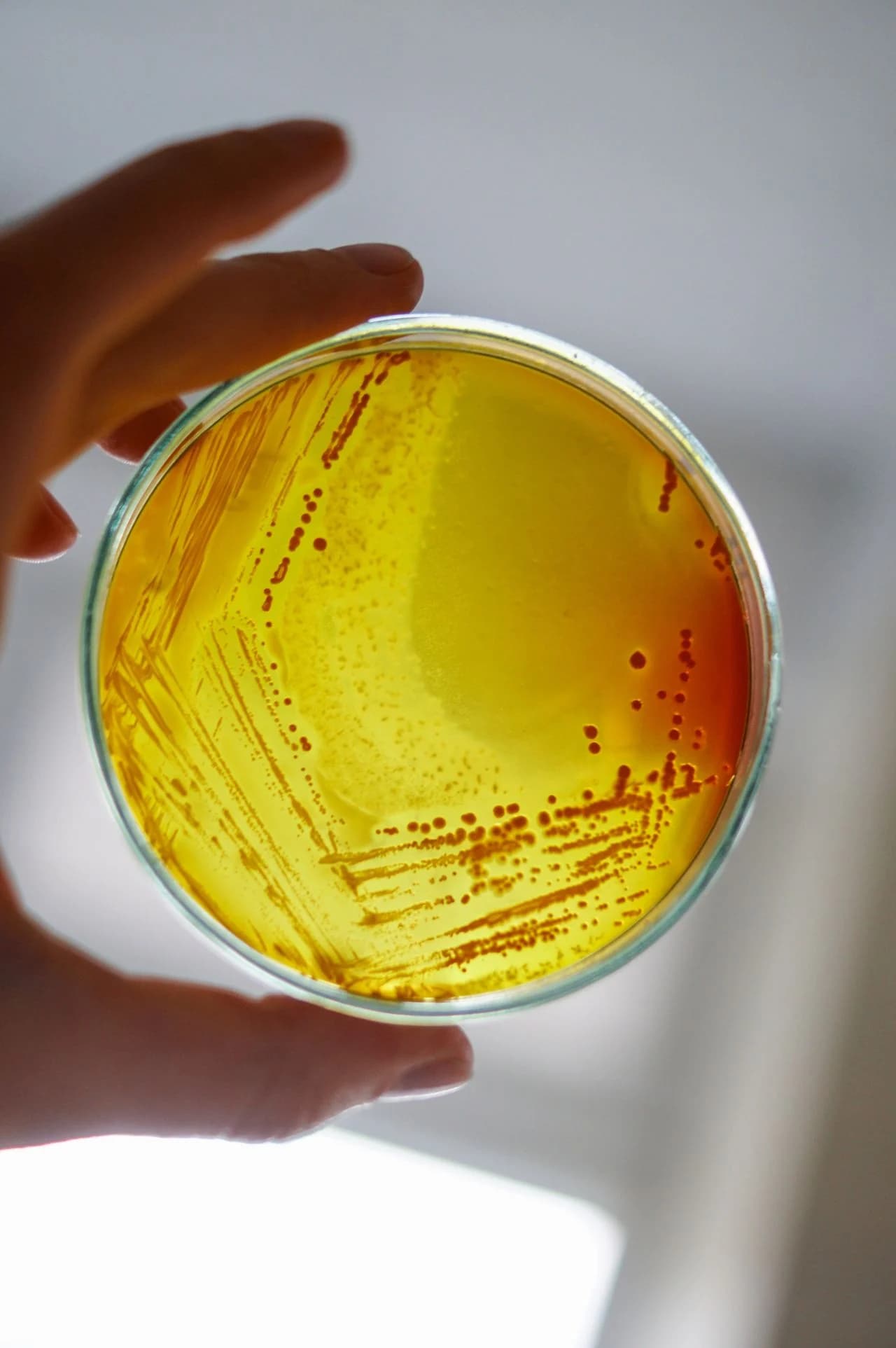
These studies encompass specialized clinical cultures and direct examinations (such as urine culture, stool culture, or throat swab culture) selected according to the affected anatomical site and medical order. They are frequently requested alongside a urinalysis, parasitology tests, or infectious disease tests.
Results provide objective laboratory data to support medical evaluation and guide clinical management by a healthcare professional.
Bacterial detection & identification
Analyzes whether bacteria are present in the processed sample and helps characterize identified microorganisms based on the ordered test.
Variety of clinical specimens
The procedure is adapted to different specimens such as urine, secretions, swabs, or other bodily fluids.
Standardized laboratory processing
Each specimen is handled using laboratory protocols designed to maintain analytic reliability and integrity.
Contextual clinical evaluation
Results require clinical correlation, as isolated laboratory findings must be assessed by a healthcare professional.
A bacteriology test is a diagnostic support tool. Results must be interpreted by a healthcare provider within each patient's specific clinical context.
When it is important to investigate a potential bacterial infection.
A healthcare provider may request bacteriology testing when signs, symptoms, or clinical suspicion warrant laboratory evaluation:
Evaluation of potential infections
May form part of the diagnostic assessment when symptoms suggest a possible bacterial infection.
Microorganism identification
Enables laboratory staff to check for and evaluate specific bacterial microorganisms according to test specifications.
Targeted specimen evaluation
Facilitates detailed analysis of secretions or fluids corresponding to the affected anatomical area.
Monitoring condition or response
May be requested to follow clinical progress or observe changes after medical intervention.
Support for medical assessment
Provides objective laboratory data that complements physical examination and guides clinical decisions.
Complementary laboratory studies
Often ordered alongside hematology, urinalysis, or other diagnostic laboratory panels.
Having a test request or an isolated result does not by itself establish a definitive diagnosis. Any laboratory finding must be evaluated by a healthcare professional in clinical context.
Cultures and microbiological studies according to the requested sample
Depending on the anatomical site and medical indication, bacteriology studies may include:
Important: not all bacteriology tests use the same samples or analyze the same parameters. If you have a doctor's order, consult Laboratorio BioDiagnostic staff regarding your test requirements.
Each test follows a process tailored to the sample type.
Bacteriology testing follows a rigorous process designed to preserve specimen integrity and maintain diagnostic reliability:
Preparation
Preparation depends on the specific test and sample type. Some tests may require specific instructions prior to collection.
Sample collection
The sample may be collected by laboratory staff or, depending on the test, collected by the patient following the provided instructions.
Processing
The sample is processed according to the requested test and corresponding laboratory procedures.
Results
Results are delivered according to laboratory workflow and may require medical interpretation depending on the study performed.
Do all bacteriology tests require fasting?
Not all bacteriology tests require dietary fasting. However, throat swabs typically require arriving without prior brushing, mouthwash, or food, and urine cultures require specific hygiene and bladder retention conditions.
If you are also having a blood chemistry test or other analyses during the same visit, please contact us beforehand to confirm all preparation guidelines.
How should samples be collected and what about medications?
If collecting a urine or stool specimen at home, use only a new sterile container and avoid touching the inside of the cup so external bacteria do not contaminate the culture.
Ideally, bacteriological cultures are collected before starting antibiotics. If you are already taking antibiotics or antiseptics, do not stop them on your own, but inform laboratory staff when registering your test.
Before your test — Essential recommendations:
Note: Specific medical orders and laboratory protocols must always take precedence over general guidelines.
Microbiological care from collection through your culture report
In bacteriological cultures, preventing specimen contamination and respecting incubation stages are essential. At Laboratorio BioDiagnostic, we guide you before collection and throughout processing.
Specific guidance by culture type
We explain how to prepare whether your order is for a urine culture, stool culture, or throat swab.
Sterile swab collection
Our staff performs swab and exudate collection at our branch following strict hygiene protocols.
Digital and printed results
Receive your official bacteriology report in both digital format and printed paper upon completion of the culture.
Clarity on culture timelines
We inform you about the stages of microbiological processing when registering your specimen.
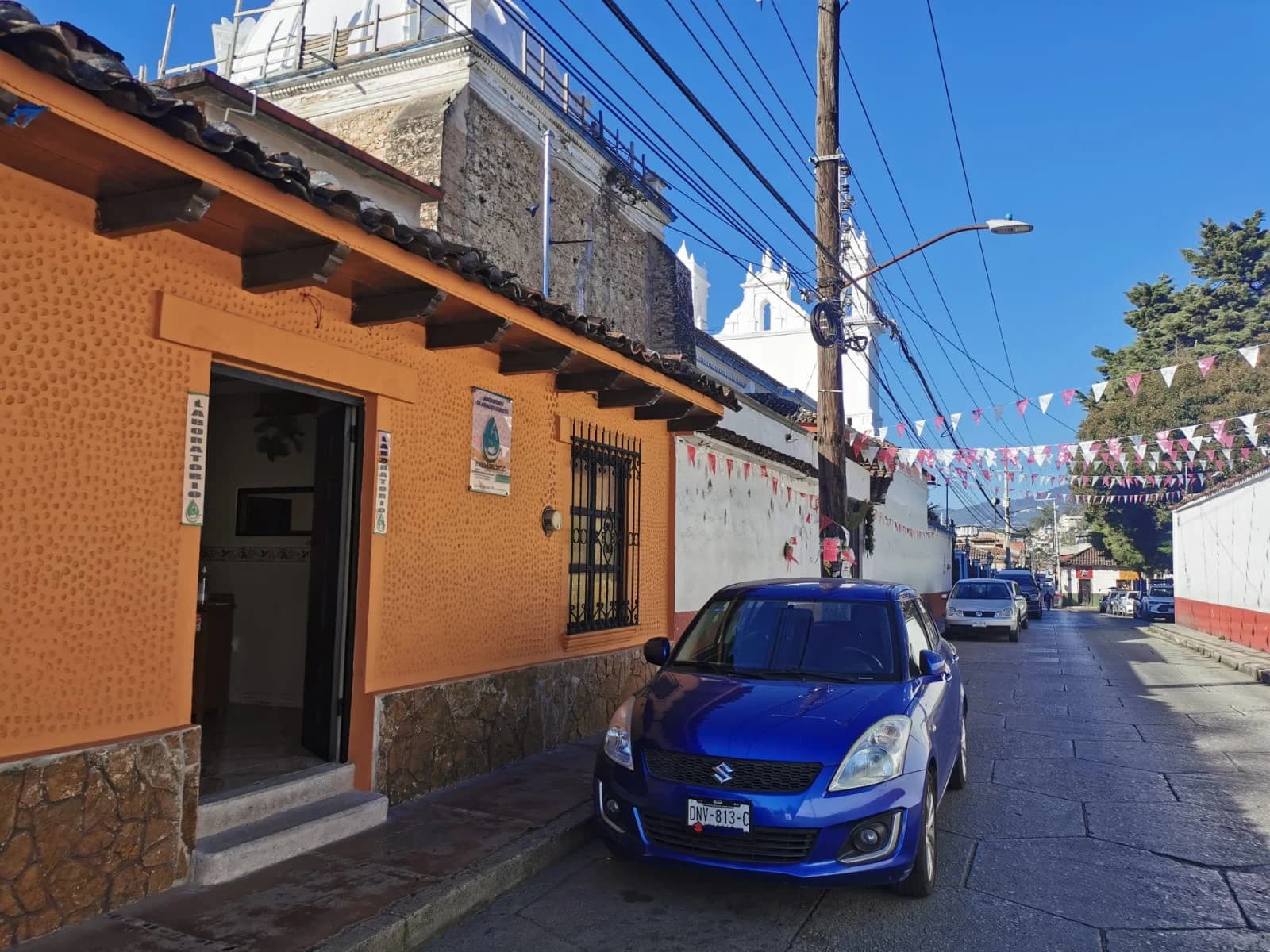
“We look forward to seeing you.”
Bacteriology Testing in San Cristóbal de Las Casas
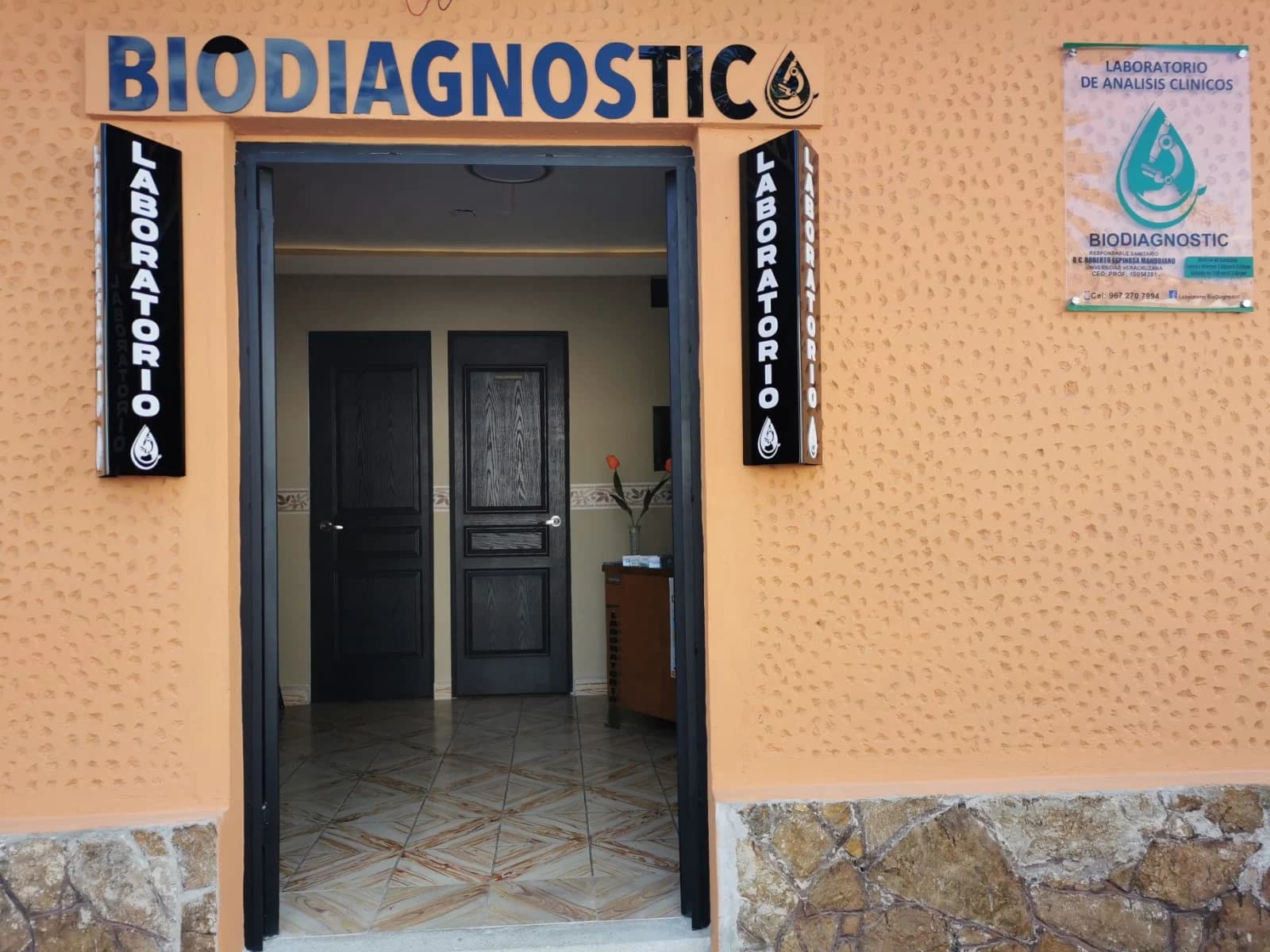
Visit our laboratory at Doctor Ramón Corona 3, Santa Lucia, 29250 San Cristóbal de las Casas, Chiapas, México. Check our location and hours on the map or contact us to confirm preparation for your culture.
Opening hours
Open, with regular business hours
- Monday
- 7:00 a.m.–4:00 p.m.
- Tuesday
- 7:00 a.m.–4:00 p.m.
- Wednesday
- 7:00 a.m.–4:00 p.m.
- Thursday
- 7:00 a.m.–4:00 p.m.
- Friday
- 7:00 a.m.–4:00 p.m.
- Saturday
- 7:00 a.m.–3:00 p.m.
- Sunday
- Closed

Prefer to inquire about home sample collection or pickup?
If you need bacteriology testing and prefer not to travel, inquire about our [home sample collection service](/en/home-blood-sample-collection) in San Cristóbal de Las Casas. Our team will confirm whether the requested culture or swab is eligible for home service based on specimen type.
Related infectious, urinary, and digestive tests
Bacteriology studies are frequently ordered alongside infectious disease tests, a urinalysis, urine analysis, or parasitology tests. Explore our full catalog of laboratory services.
Infectious disease tests
Serological detection of antibodies and antigens for infectious disease diagnosis.
Urinalysis
Physical, chemical, and microscopic analysis to evaluate kidney and urinary tract function.
Urine analysis
Specialized analysis of urinary sediment and biochemical components.
Parasitology
Stool examination for the identification of common intestinal parasites.
Influenza Tests
Laboratory testing for Influenza A, Influenza B, and H1N1.
Complete blood count
Comprehensive evaluation of red cells, white cells, and platelets to detect anemia or infections.
What are bacteriology tests?
They are clinical laboratory studies designed to analyze specific biological specimens to detect, identify, or evaluate bacteria according to the requested test and medical indication.
What type of sample is required?
It depends on the specific study ordered by the physician. It may involve urine, secretions, swabs, or other bodily fluids corresponding to the anatomical site being evaluated.
Do all bacteriology tests require fasting?
No. Preparation depends on the test and sample type. Many bacteriology studies do not require fasting, unless ordered alongside other blood tests that do.
How should I collect a sample?
It depends on the specimen type. It is essential to follow the specific instructions provided by Laboratorio BioDiagnostic staff and use only the designated sterile collection containers to avoid sample contamination.
Can I take medications before the test?
Do not stop taking medications on your own. If you are taking any prescription medication or antibiotics, discuss it with your doctor or inform the laboratory staff when requesting the test.
How long do results take?
Turnaround time depends on the specific study requested and required laboratory analytical workflow. Contact Laboratorio BioDiagnostic to learn estimated times for your test.
Do I need a medical prescription?
It depends on the test and clinical situation. If you have a physician's order, bringing it ensures the laboratory processes the exact test requested.
Can I have sample collection done at home?
It depends on the specific test and specimen type needed. Please contact us in advance to verify if your study qualifies for our home sample collection service.
Does a positive result by itself confirm an infection?
Not necessarily. Results must be interpreted in light of the specimen type, symptoms, medical history, and clinical context. Diagnostic interpretation is the responsibility of a qualified healthcare provider.
Do laboratory results replace a medical consultation?
No. Laboratory tests are auxiliary diagnostic tools. They must be reviewed by a physician in conjunction with your medical history and clinical examination.

Need to have a laboratory test done?
We are here to guide you regarding the test you need and the process to complete it.