
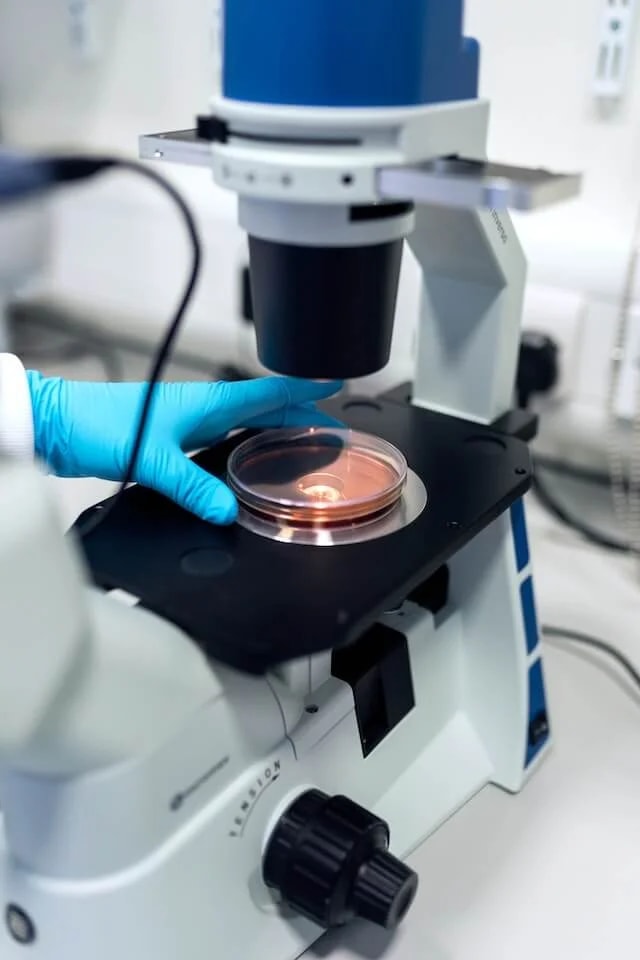
Hematology tests
Hematology tests analyze various components of the blood and can provide important information about blood cells and other aspects related to hematologic health.
What do hematology tests evaluate?
Hematology is the clinical laboratory discipline focused on the comprehensive study of blood, its cellular components, and the biological mechanisms governing oxygenation, immune defense, and coagulation.
While a complete blood count (CBC) is the most common test in this specialty, clinical hematology also encompasses peripheral blood smear morphology, reticulocyte counts, erythrocyte sedimentation rate, blood typing, and coagulation or hemostasis studies, often paired with a blood chemistry test or liver function tests.
Results must always be interpreted alongside symptoms and a healthcare professional's clinical evaluation.
Red blood cell lineage
Evaluates parameters linked to erythrocytes, hemoglobin, and the oxygen-carrying capacity of the body.
White blood cell lineage
Analyzes immune system cells responsible for bodily defense and inflammatory biological responses.
Platelets & coagulation
Examines cellular elements and factors participating in physiological blood clotting processes.
Comprehensive clinical evaluation
Findings must be contextualized with medical history, as isolated variations do not diagnose disease on their own.
A hematology test is a diagnostic supportive tool. Results must be interpreted by a healthcare professional within each patient's clinical context.
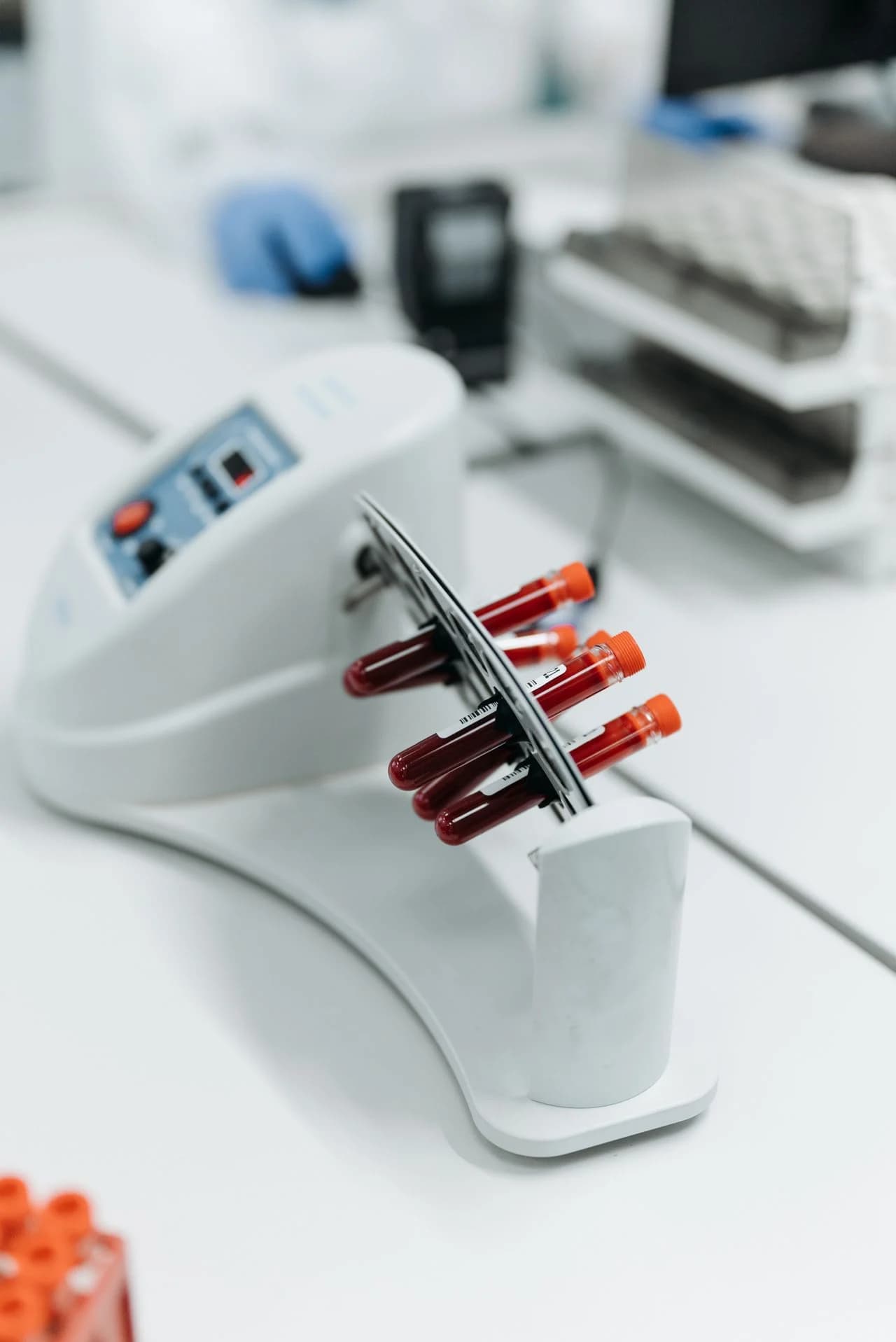
Hematology tests can provide important information about your health.
A healthcare professional may order hematology tests across various clinical circumstances to support medical judgment and provide objective laboratory data:
Investigating blood-related symptoms
Can form part of the evaluation when symptoms such as fatigue, pallor, or unusual bruising are present.
Evaluating blood cells
Enables analysis of cell counts, proportions, and morphological characteristics across blood components.
Complementing medical assessment
Provides objective laboratory data to complement physical examination and clinical medical judgment.
Monitoring medical conditions
Helps track progression or response to treatment in hematological conditions previously diagnosed by a physician.
Tracking prior study changes
Allows follow-up on variations observed in previous laboratory analyses or medical reviews.
General health screenings
Frequently integrated into routine check-ups or preventive clinical evaluations of overall health.
Having an altered test result does not automatically mean a disease is present. Any variation must be evaluated by a healthcare professional.
Studies within the clinical hematology department
The field of hematology encompasses diverse analyses according to medical or preoperative indications, which may include:
Hematology encompasses various clinical tests and is not limited to a single examination. If you have a doctor's requisition, consult with Biodiagnostic.
The process depends on the hematology test you need.
Performing a hematology test follows a standardized procedure to ensure analytical quality and reliability of clinical findings.
Preparation
Preparation depends on the requested analysis and the corresponding guidelines.
Sample collection
Many hematological tests are performed using a blood sample collected by trained personnel.
Processing
The sample is processed according to the requested analysis and the appropriate method.
Results
Once processing is concluded, you will receive your test results clearly and promptly.
Do you need fasting before your test?
Preparation depends on the requested hematology study. Some analyses (such as a complete blood count or blood typing) generally do not require fasting, whereas other tests or preoperative panels that include a blood chemistry test may require it.
If you are having multiple tests performed simultaneously, please contact us before your visit to confirm instructions for the combined panel.
How is sample collection performed and what about medications?
Hematology studies are performed using a venous blood sample drawn with sterile single-use materials.
Inform laboratory staff if you take anticoagulants, antiplatelet medications, iron supplements, or other regular treatments. Do not discontinue any prescription medication on your own without direct physician instructions.
Know your instructions before visiting the laboratory:
Note: Specific medical instructions and laboratory protocols must always take precedence over general guidelines.
Careful venous collection and reliable hematology testing
In hematology and coagulation studies, quality starting from the moment of venipuncture is essential. At Laboratorio BioDiagnostic, we take care of every detail of collection and processing.
Guidance for panels and preoperative orders
We review your medical requisition to confirm all hematological or coagulation tests included.
Digital and printed results
Receive your reports in both digital and printed formats ready to share with your physician or surgeon.
Careful venous blood draw
We use the specific collection tubes and additives required by each hematological study to preserve blood cells.
Clarity on preparation requirements
We let you know in advance whether any of the analyses on your order require fasting.

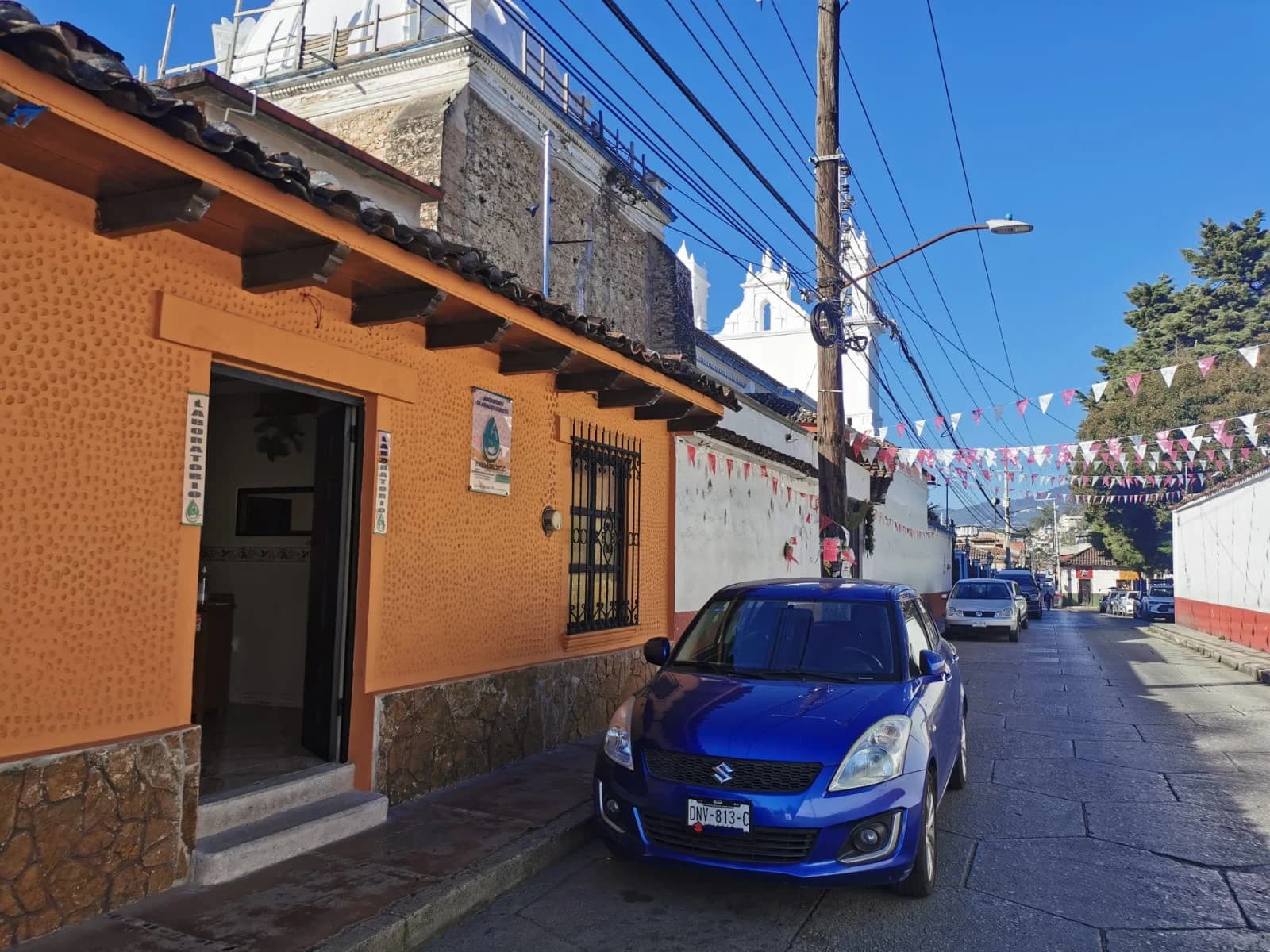
“We look forward to seeing you.”
Hematology Testing in San Cristóbal de Las Casas
Visit us at Doctor Ramón Corona 3, Santa Lucia, 29250 San Cristóbal de las Casas, Chiapas, México. Check our location and hours on the map or contact us to confirm availability for your tests.
Opening hours
Open, with regular business hours
- Monday
- 7:00 a.m.–4:00 p.m.
- Tuesday
- 7:00 a.m.–4:00 p.m.
- Wednesday
- 7:00 a.m.–4:00 p.m.
- Thursday
- 7:00 a.m.–4:00 p.m.
- Friday
- 7:00 a.m.–4:00 p.m.
- Saturday
- 7:00 a.m.–3:00 p.m.
- Sunday
- Closed

Prefer to have your hematology blood draw at home?
If you need hematology testing and prefer not to travel, inquire about our [home sample collection service](/en/home-blood-sample-collection) in San Cristóbal de Las Casas. Our staff can visit your residence to perform the venous blood draw according to service availability and study requirements.
Tests related to Clinical Hematology
Within and beyond hematology, these studies are closely linked with a complete blood count, a blood chemistry test, liver function tests, and infectious disease tests. View all of our laboratory services.
Complete blood count
Comprehensive evaluation of red cells, white cells, and platelets to detect anemia or infections.
Blood chemistry
Measurement of essential metabolic parameters including glucose, urea, creatinine, and lipids.
Liver function tests
Measurement of key enzymes and proteins to evaluate liver function and health.
Infectious disease tests
Serological detection of antibodies and antigens for infectious disease diagnosis.
Thyroid panel
Thyroid hormone assessment for diagnosis and monitoring of thyroid disorders.
Paternity tests
DNA relationship testing with strict confidentiality and chain-of-custody protocols.
What is hematology?
It is the branch of medicine and clinical laboratory science devoted to the study of blood, its cellular components (red blood cells, white blood cells, platelets), and their physiological functions.
What do hematology tests study?
It depends on the specific test ordered by your physician. Tests can evaluate different cellular characteristics, counts, and functional parameters of the blood.
Is hematology the same as a complete blood count?
No. A complete blood count (CBC) is a specific test within the field of hematology, whereas hematology as a whole encompasses a wider spectrum of specialized blood analyses.
Do I need to fast for a hematology test?
It depends on the requested test and whether concurrent clinical analyses are performed. Fasting is not universally required; we recommend confirming preparation guidelines in advance.
How is the sample collected?
Many hematological tests require a venous blood sample drawn from the arm by trained personnel following strict biosafety standards.
Can I take a hematology test without a doctor's order?
The need for a medical requisition depends on the specific test and each clinical circumstance. If you are unsure which test you require, consult with a healthcare professional.
What does a result outside the reference range mean?
A result outside the range does not automatically indicate disease. Values must always be interpreted together considering symptoms, medical history, and clinical examination.
When will I receive my results?
Turnaround time depends on the requested test and its analytical processing. Contact Laboratorio BioDiagnostic to confirm estimated delivery times for your study.
Can I have my sample collected at home?
Home sample collection availability depends on the specific test and service coverage in San Cristóbal de Las Casas. Please check with us in advance.
Do test results replace a medical consultation?
No. Laboratory findings are supportive diagnostic tools that must be interpreted by a physician alongside patient history and clinical examination.

We are here to help you.
Contact us to learn about your test instructions and resolve your questions prior to visiting.