Toxicology tests
Toxicology tests analyze biological specimens to detect the presence of specific substances or their components, according to the requested study.
What do toxicology tests evaluate?
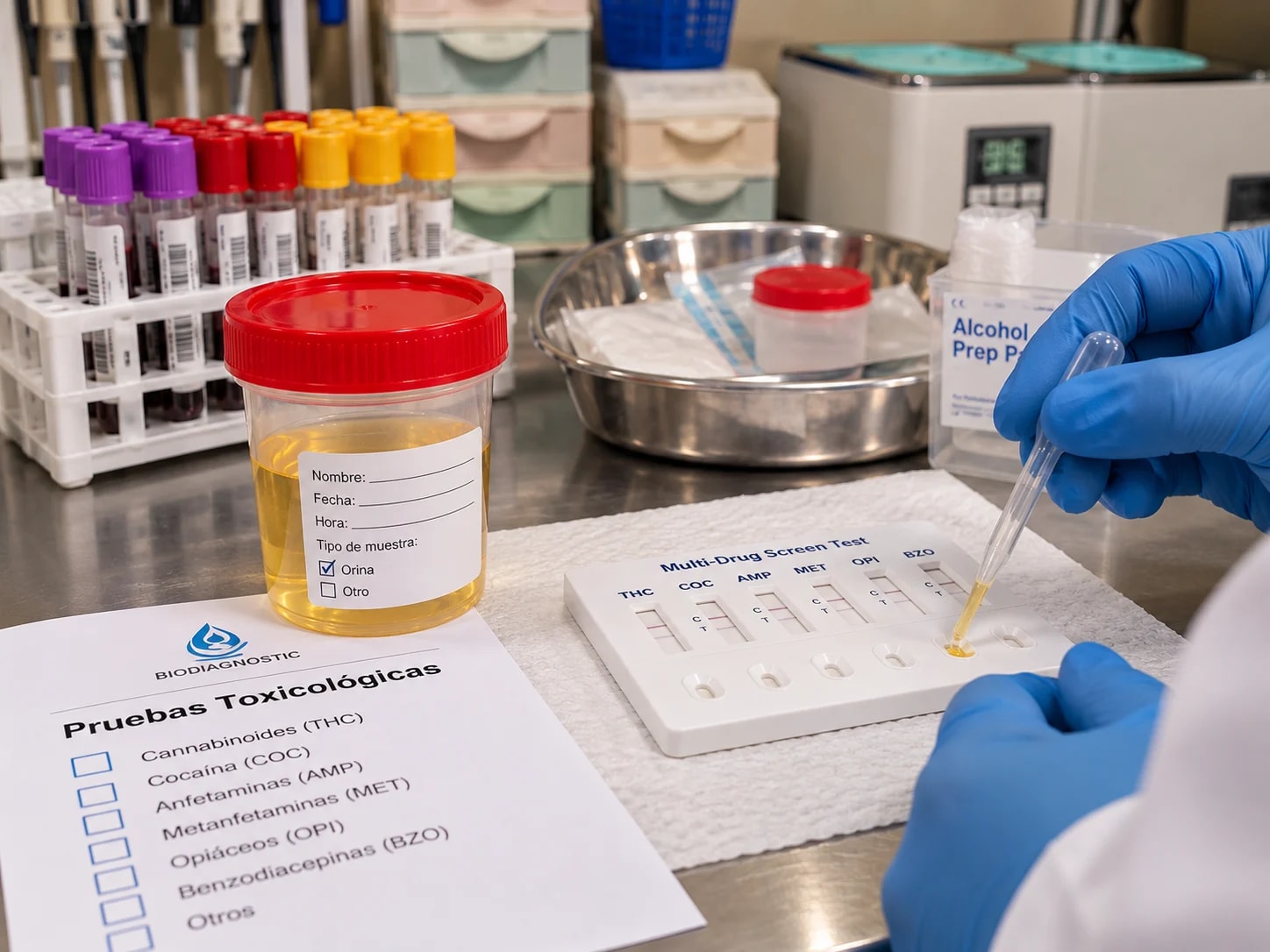
Toxicology tests (including drug screening or substance detection panels) are clinical laboratory studies that analyze biological specimens—typically urine or blood depending on the study—to evaluate the presence of specific substances or their metabolites.
These studies are not a single universal test: each toxicology panel is selected according to the substances or analytical groups requested by a physician, individual, or organization. In medical or workplace evaluations, they may be ordered alongside a urine analysis, liver function tests, or a blood chemistry test.
Toxicology results must be interpreted objectively, taking into account the technical characteristics of the test, the detection window, and the clinical or institutional context in which testing was ordered.
Targeted substance evaluation
Focuses on identifying the presence of specific substances or compounds according to test specifications.
Sample type adaptation
The required biological sample is determined based on the specific test ordered and technical guidelines.
Confidentiality & care
Patient registration, specimen handling, and report delivery are conducted under strict privacy protocols.
Contextualized interpretation
Results should always be understood within the context of the testing method and circumstances of the request.
A toxicology test is a supportive laboratory tool. Results must always be evaluated within the specific context of the study and the corresponding medical or personal indication.
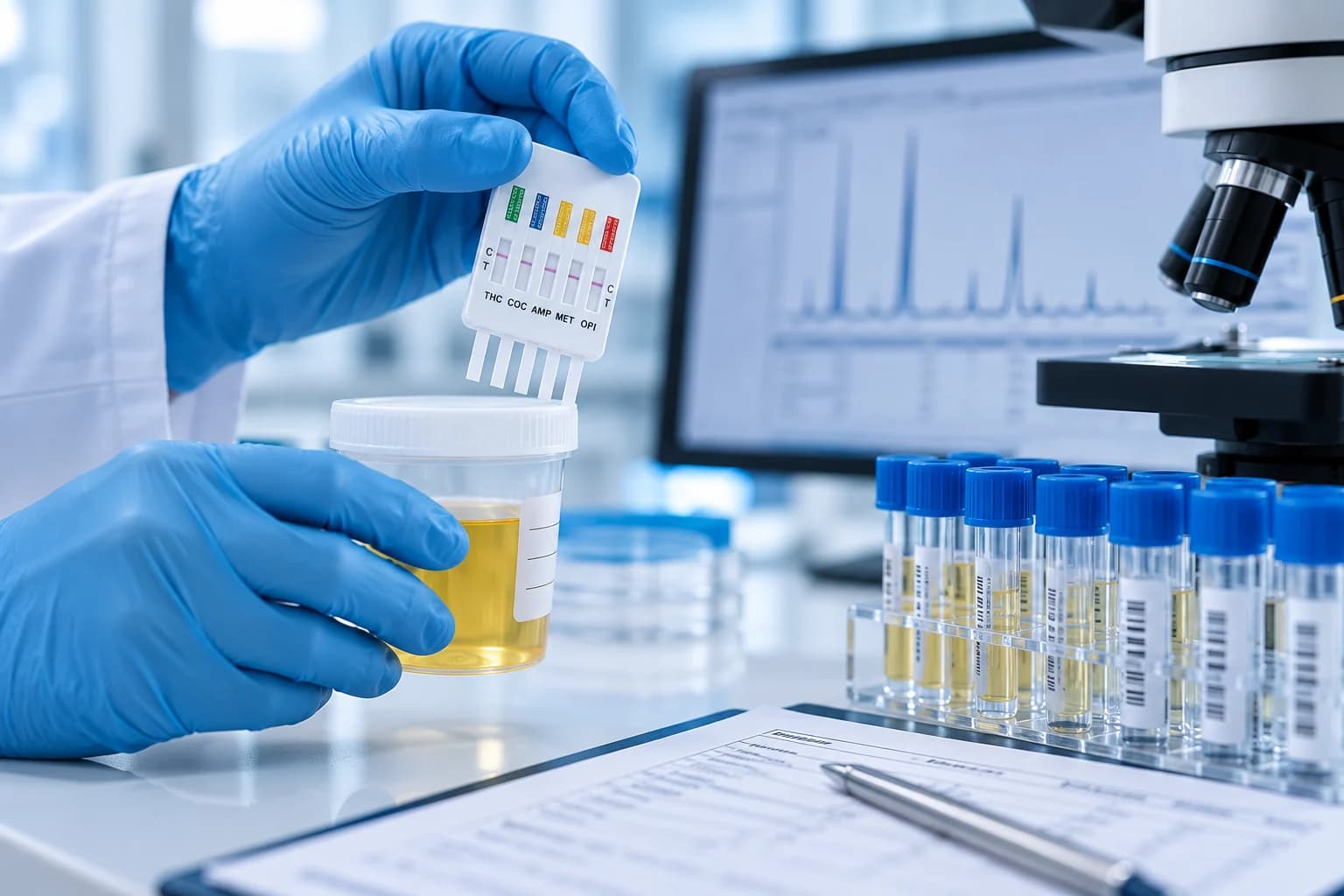
A test can help evaluate the presence of specific substances.
Toxicology tests may be requested under various circumstances requiring objective laboratory evaluation:
Specific evaluation
When investigating the potential presence of designated substances according to a particular indication.
Workplace evaluations
Certain employment processes may request toxicology testing in compliance with institutional requirements.
Medical evaluations
May form part of an overall medical assessment when a physician identifies a specific clinical need.
Institutional requirements
Studies may be requested to fulfill specific criteria from organizations, companies, or institutions.
Monitoring and follow-up
Can serve as part of regular follow-up protocols or periodic monitoring as indicated.
Pre-test guidance
Allows patients to learn in advance what sample is required and what instructions must be followed.
A toxicology result must be interpreted in light of the test type, the specimen analyzed, the substances evaluated, and the circumstances under which testing was ordered. Results should not be evaluated in isolation without considering testing conditions.
Testing depends on the substance and the type of study.
A toxicology test varies depending on the substances being evaluated, the specimen type, the analytical methodology, the objective of the study, and laboratory reporting. Specimen requirements depend on the requested test and corresponding instructions. In general, testing includes:
Important: not all toxicology tests use the same specimens or analyze the same parameters. Please consult with Laboratorio BioDiagnostic staff regarding the specific requirements of your study.
The process depends on the sample type and the requested analysis.
Toxicology testing follows a standardized workflow to protect sample integrity and ensure reliable analytical reporting:
Preparation
Receive specific guidance prior to testing. Preparation guidelines depend on the individual test ordered.
Sample collection
The required biological sample is obtained according to test specifications.
Processing
The sample is processed using the designated laboratory methodology for the requested study.
Results
An analytical report detailing the laboratory findings is generated and delivered securely.
Is fasting required for a toxicology test?
Urine toxicology tests generally do not require dietary fasting. However, if the test is part of a medical or pre-employment checkup that also includes a blood chemistry test or a complete blood count, you should follow the fasting rules for the combined group of studies.
We recommend contacting us prior to your visit to confirm identification and collection requirements for your test.
How should samples be provided and what about medications?
Depending on the purpose of the test (clinical, personal, or workplace), urine specimen collection is typically performed directly at the laboratory facility using a sterile container provided by our staff.
Please inform laboratory staff about any prescription medications or regular medical treatments you are taking. Do not discontinue prescribed medications on your own without direct medical advice.
Before your test — Key recommendations:
Note: Specific test requirements and laboratory protocols must always take precedence over general recommendations.
Confidentiality, order, and clarity in your toxicology testing
Whether you are visiting for a workplace or institutional requirement, medical indication, or personal inquiry, at Laboratorio BioDiagnostic we conduct your study with discretion and clear protocols.
Confirmation of your required panel
We guide you through the available toxicology testing options according to the requirements of your request.
On-site collection protocol
We guide specimen collection and reception in accordance with the conditions of the requested test.
Official digital and printed report
Receive your official laboratory report confidentially in both digital format and printed paper.
Advance guidance on requirements
We inform you before your visit whether valid photo identification or specific collection steps are needed.
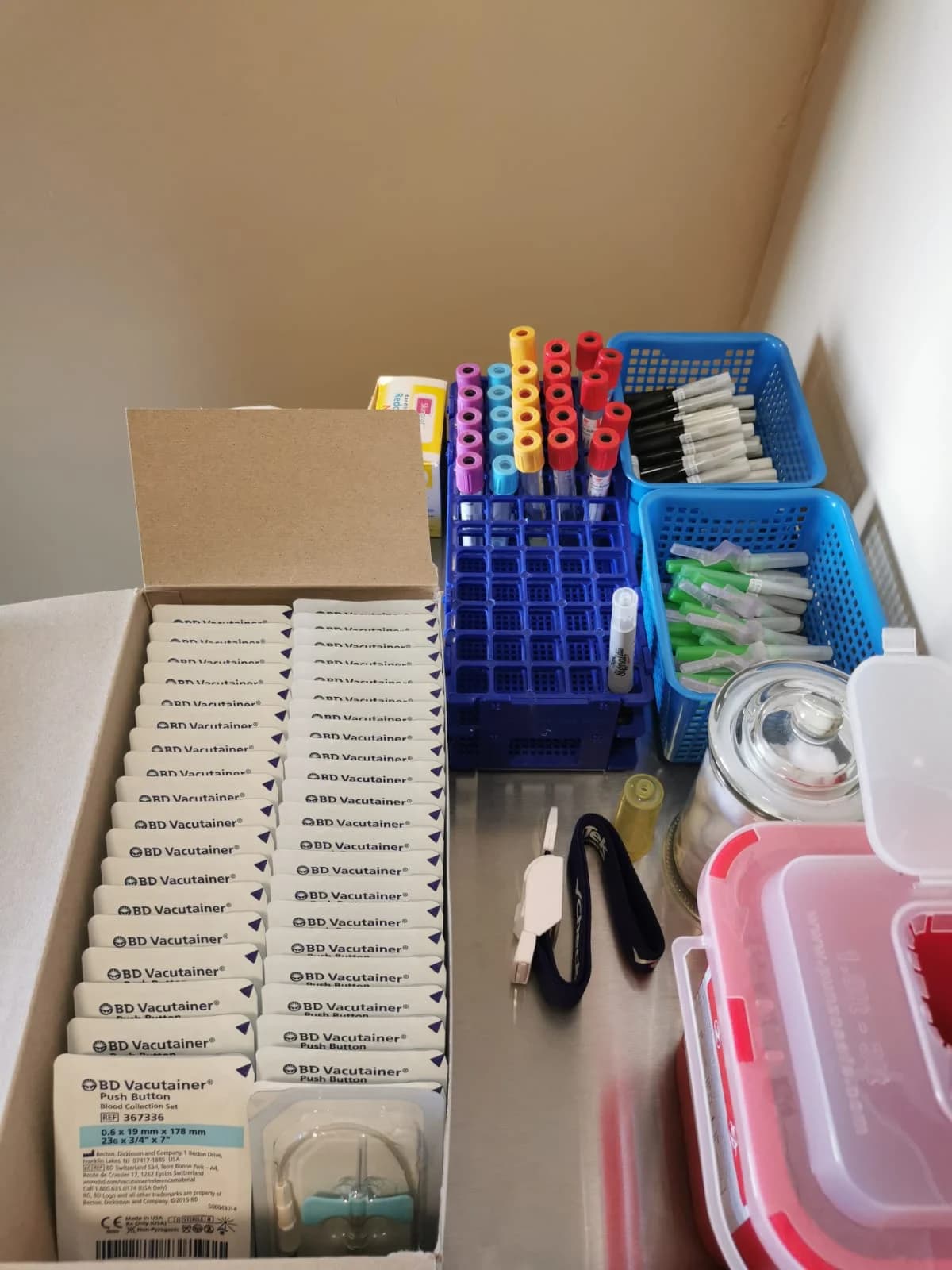
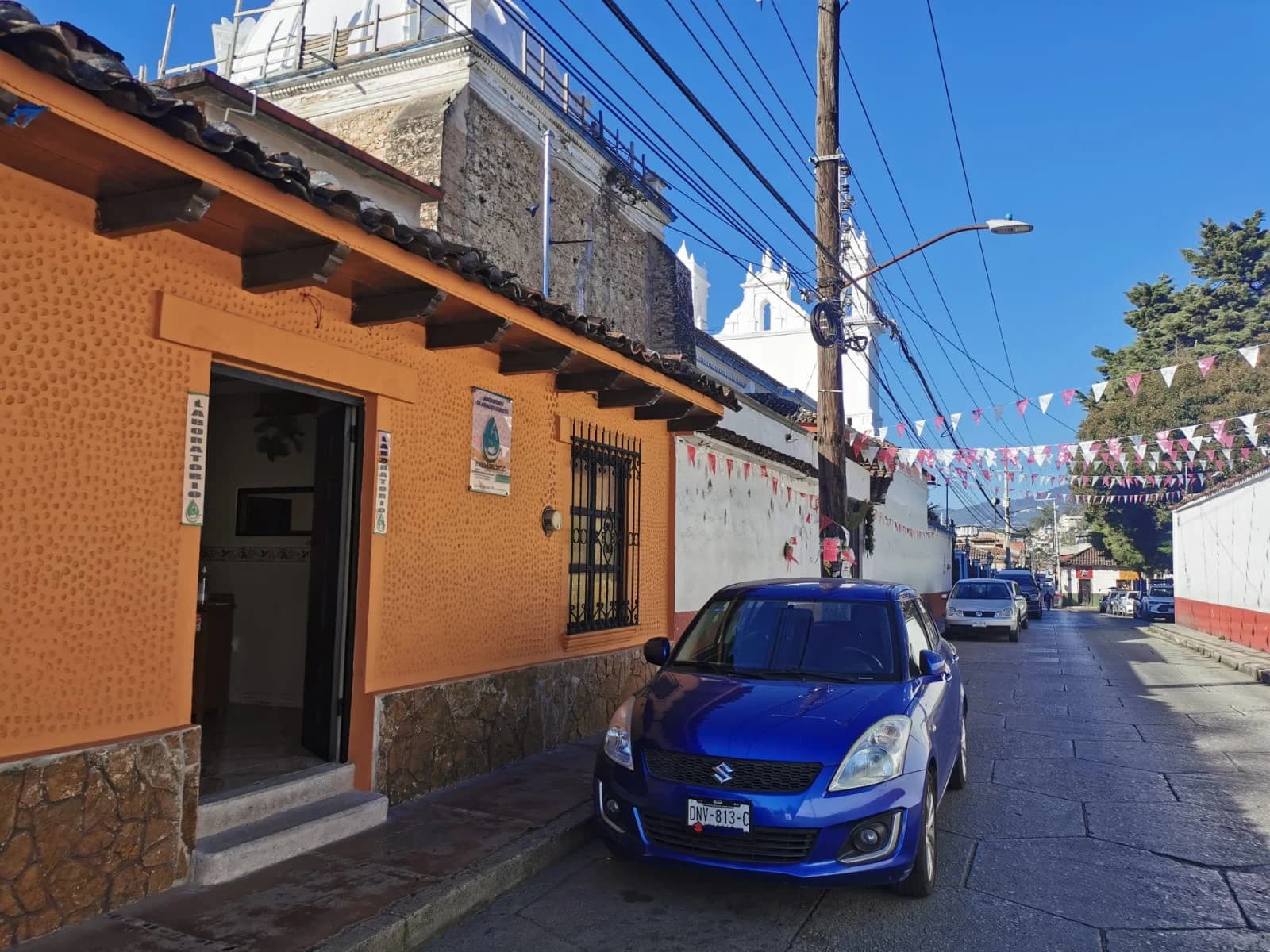
“We look forward to seeing you.”
Get your Toxicology Tests in San Cristóbal de Las Casas
Visit our laboratory at Doctor Ramón Corona 3, Santa Lucia, 29250 San Cristóbal de las Casas, Chiapas, México. Check our location and hours on the map or contact us to confirm the toxicology panel you need.
Opening hours
Open, with regular business hours
- Monday
- 7:00 a.m.–4:00 p.m.
- Tuesday
- 7:00 a.m.–4:00 p.m.
- Wednesday
- 7:00 a.m.–4:00 p.m.
- Thursday
- 7:00 a.m.–4:00 p.m.
- Friday
- 7:00 a.m.–4:00 p.m.
- Saturday
- 7:00 a.m.–3:00 p.m.
- Sunday
- Closed

Need to check if your test is eligible for home collection?
If you need a toxicology test and would like to know whether it qualifies for our [home sample collection service](/en/home-blood-sample-collection) in San Cristóbal de Las Casas, reach out to our team. We will confirm eligibility based on the required specimen type and collection protocols for your specific study.
Related clinical studies and general health panels
In medical assessments or workplace checkups, toxicology tests are frequently complemented with a urine analysis, a routine urinalysis, liver function tests, a blood chemistry test, or a complete blood count. Explore our full catalog of services.
Urine analysis
Specialized analysis of urinary sediment and biochemical components.
Urinalysis
Physical, chemical, and microscopic analysis to evaluate kidney and urinary tract function.
Liver function tests
Measurement of key enzymes and proteins to evaluate liver function and health.
Blood chemistry
Measurement of essential metabolic parameters including glucose, urea, creatinine, and lipids.
Complete blood count
Comprehensive evaluation of red cells, white cells, and platelets to detect anemia or infections.
Paternity tests
DNA relationship testing with strict confidentiality and chain-of-custody protocols.
What is a toxicology test?
It is a clinical laboratory study that analyzes a biological specimen to detect specific substances or their metabolic byproducts, depending on the requested analysis and corresponding indication.
What substances does it detect?
It depends on the specific test or study ordered. There are panels targeted toward particular compounds. Contact Laboratorio BioDiagnostic to discuss available options for your needs.
What type of sample is needed?
Specimen type depends on the requested study and technical guidelines. Not all toxicology tests use the same biological sample.
Is fasting required?
Not necessarily. Preparation depends on the test ordered. If performed alongside other blood tests requiring fasting, follow the instructions for the entire panel.
Can medications affect results?
Certain medications or treatments may be relevant depending on the test. Always inform laboratory staff about any regular medications you take. Do not stop taking medications on your own without medical guidance.
Does a positive result mean the person is intoxicated?
Not necessarily. The clinical meaning of a result depends on the test type, the substance analyzed, specimen characteristics, methodology, and medical or testing context.
Does a negative result mean there was never any exposure?
Not necessarily. Results reflect test parameters, specimen conditions, and analytical detection limits at collection time, and cannot establish a comprehensive lifetime exposure history.
How long do results take?
Turnaround time depends on the specific study requested and required laboratory analytical workflow. Contact Laboratorio BioDiagnostic to learn estimated turnaround times for your test.
Can I have a toxicology test done at home?
It depends on the specific test and specimen collection method. Please contact our team in advance to verify service availability.
Can I request testing for workplace or institutional processes?
It depends on the test type and specific requirements set by the requesting organization or employer. Inquire with us in advance if specific documentation or collection procedures are required.

Need to have a laboratory test done?
Contact us to learn what study you need, what preparation may be required, and how to complete the process.