
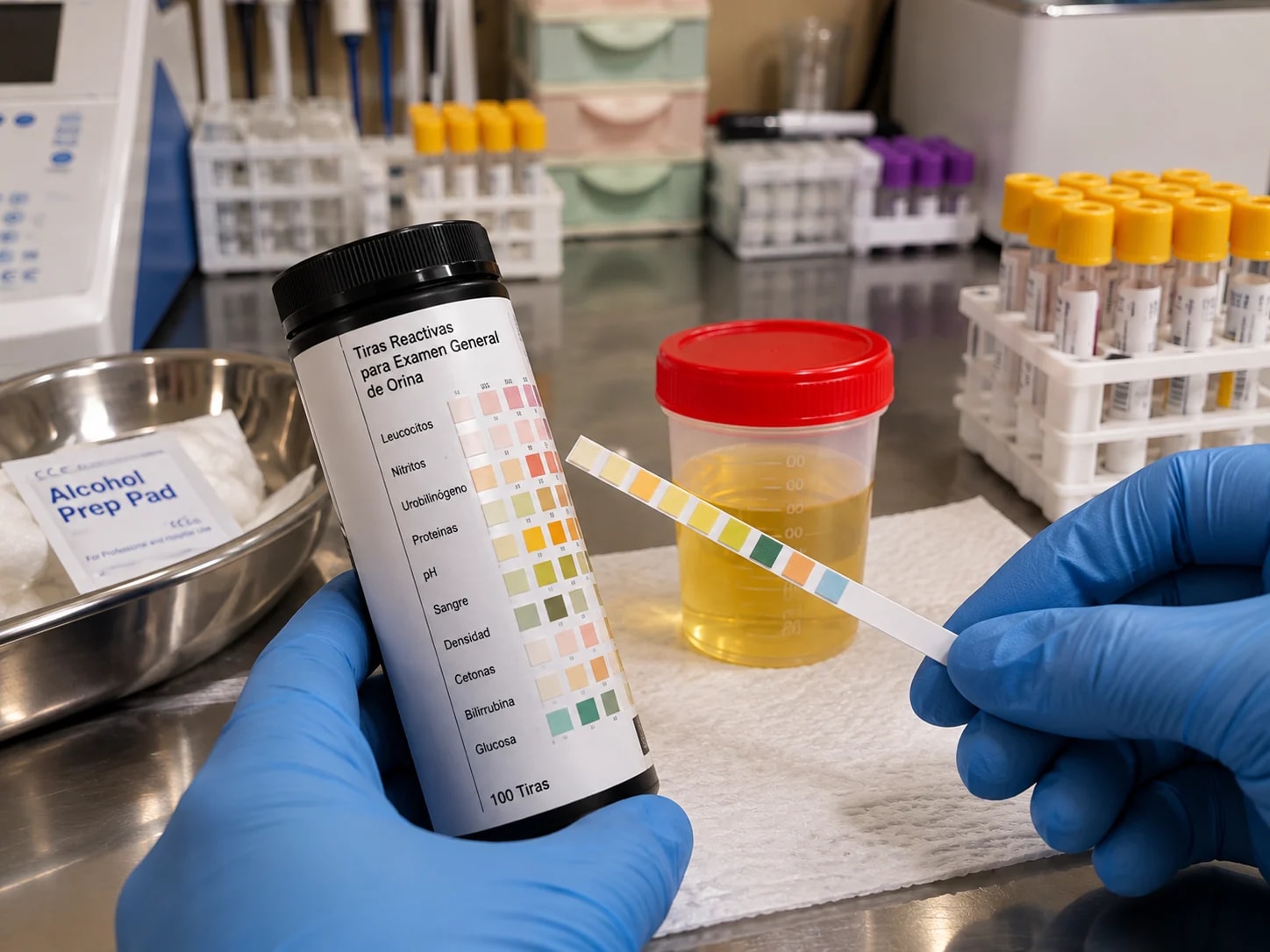
Urinalysis
A urinalysis is a clinical laboratory test that analyzes a urine sample to evaluate different physical, chemical, and microscopic characteristics providing insight into urinary health and overall bodily function.
What does a Urinalysis evaluate?
Urine analysis encompasses clinical laboratory testing of urine to gather information regarding the urinary tract, renal filtration, and metabolic processes.
While a routine urinalysis is the most frequently requested test in this area, urine analysis also covers targeted urinary evaluations and is often paired with bacteriology cultures or a blood chemistry test to assess kidney function comprehensively.
Findings from a urine analysis must always be interpreted as part of a complete clinical evaluation, taking into account patient symptoms, history, and concurrent medical studies.
Physical evaluation
Assesses observable physical characteristics of the sample including appearance, color, clarity, and specific gravity.
Chemical evaluation
Evaluates the presence or concentration of biochemical markers such as pH, protein, glucose, and bilirubin.
Microscopic evaluation
Enables examination of cellular components, crystals, casts, and other elements in the urinary sediment.
Clinical evaluation
Findings must be contextualized with medical examination, as isolated variations do not diagnose a disease on their own.
A urinalysis is a diagnostic supportive tool. Results must be interpreted by a healthcare professional within each patient's clinical context.
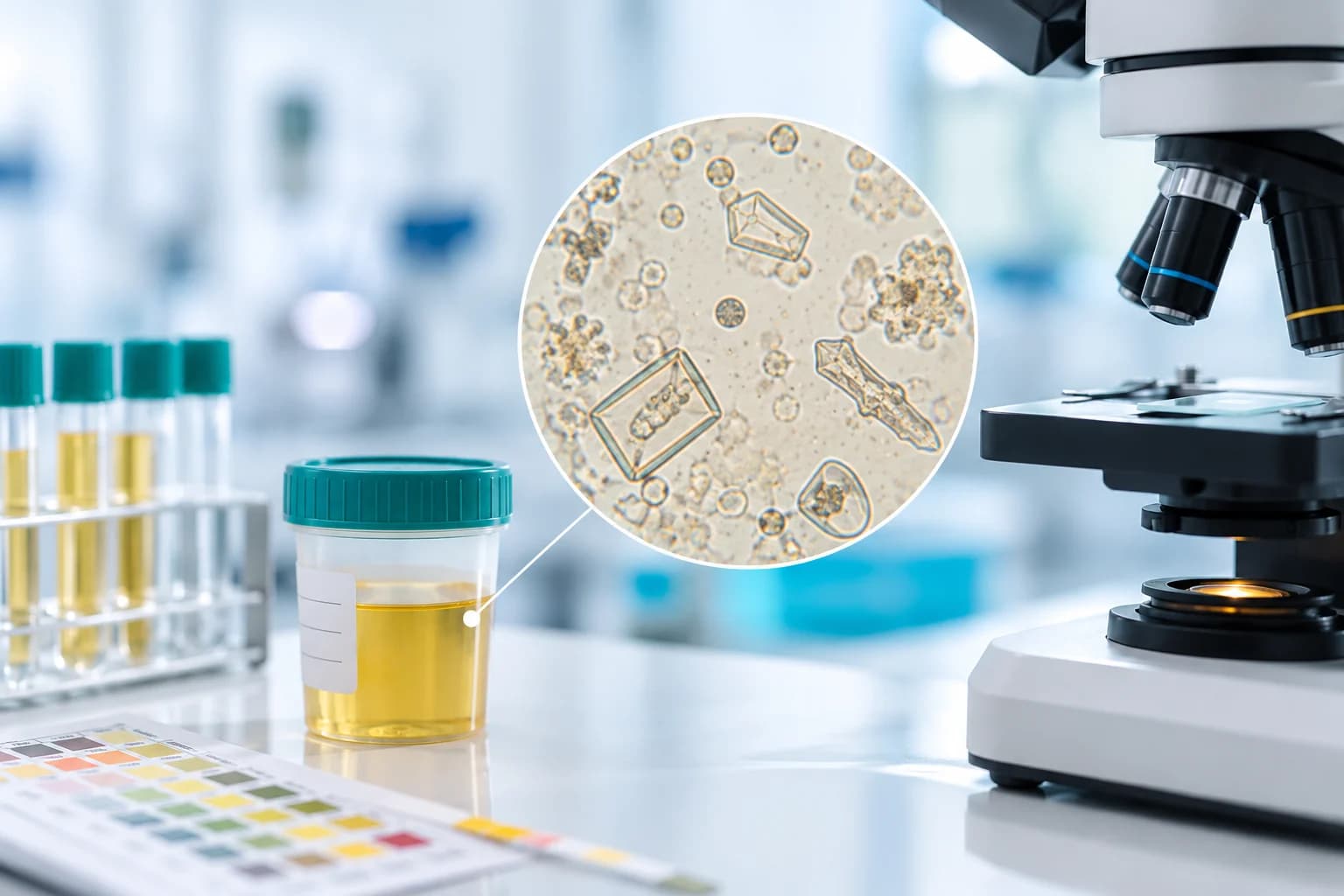
A urine sample can provide important information about your health.
A healthcare professional may order a urinalysis across various clinical circumstances to support medical judgment and provide objective laboratory data:
Investigating urinary symptoms
Can form part of the evaluation when experiencing discomfort, changes in urination, or suspected urinary issues.
Evaluating urine characteristics
Enables analysis of noticeable changes in urine color, clarity, or odor that warrant laboratory investigation.
Assessing the urinary system
Complements clinical assessment when evaluating kidney or urinary tract function.
Monitoring medical conditions
Helps track progression or response to treatment in conditions previously identified by a physician.
General medical check-ups
Commonly integrated as part of routine health evaluations or preventive medical screenings.
Complementing other tests
Frequently ordered alongside blood panels or diagnostic imaging for a more complete clinical overview.
Having a variation in urine parameters does not necessarily mean a disease is present. Any result must be evaluated by a healthcare professional.
Aspects evaluated in a urine analysis study
A urine analysis examines the specimen across complementary phases according to your physician's order:
Analyzed parameters depend on the requested test. Consult with Laboratorio BioDiagnostic regarding the specifications of your test.
Proper collection helps obtain an adequate sample for analysis.
Performing a urinalysis requires following straightforward guidelines to ensure analytical quality and reliability of the sample.
Preparation
Follow the instructions provided for your study prior to collecting the sample.
Collection
The sample is collected in the designated container following corresponding instructions.
Delivery
The sample should be delivered in accordance with instructions provided by the laboratory.
Results
Once processing is concluded, you will receive your test results clearly and promptly.
Do you need fasting or special preparation?
Dietary fasting is not typically required for an isolated urine analysis, though collecting the first morning specimen or following specific collection instructions is often recommended. If you are also having a blood chemistry test or other blood work done, check whether fasting is required.
If you have questions about preparing for your test, please contact us prior to your visit.
How should the sample be collected and delivered?
Use only a sterile clinical urine container and avoid repurposed household jars. Follow prior hygiene and midstream collection guidelines without touching the inside of the cup or lid.
Inform laboratory staff of any medications, vitamins, or supplements you take regularly, as certain compounds can alter urine color or chemical reagents. Do not discontinue prescription medications on your own.
How to prepare for submitting your urine sample:
Note: Specific medical instructions and laboratory protocols must always take precedence over general guidelines.
Careful reception and analysis for your urine studies
At Laboratorio BioDiagnostic, we guide you on proper urine sample collection and ensure timely processing to deliver reliable laboratory findings.
Guidance by collection type
We explain how to collect your specimen whether it is a first-morning, random, or timed urine collection.
Digital and printed results
Receive your reports in both digital and physical printed formats for your medical consultation.
Careful sample verification
We check container sterility conditions and patient labeling upon receiving your specimen.
Clear answers before your visit
We answer your questions via WhatsApp or phone before you collect your sample at home.
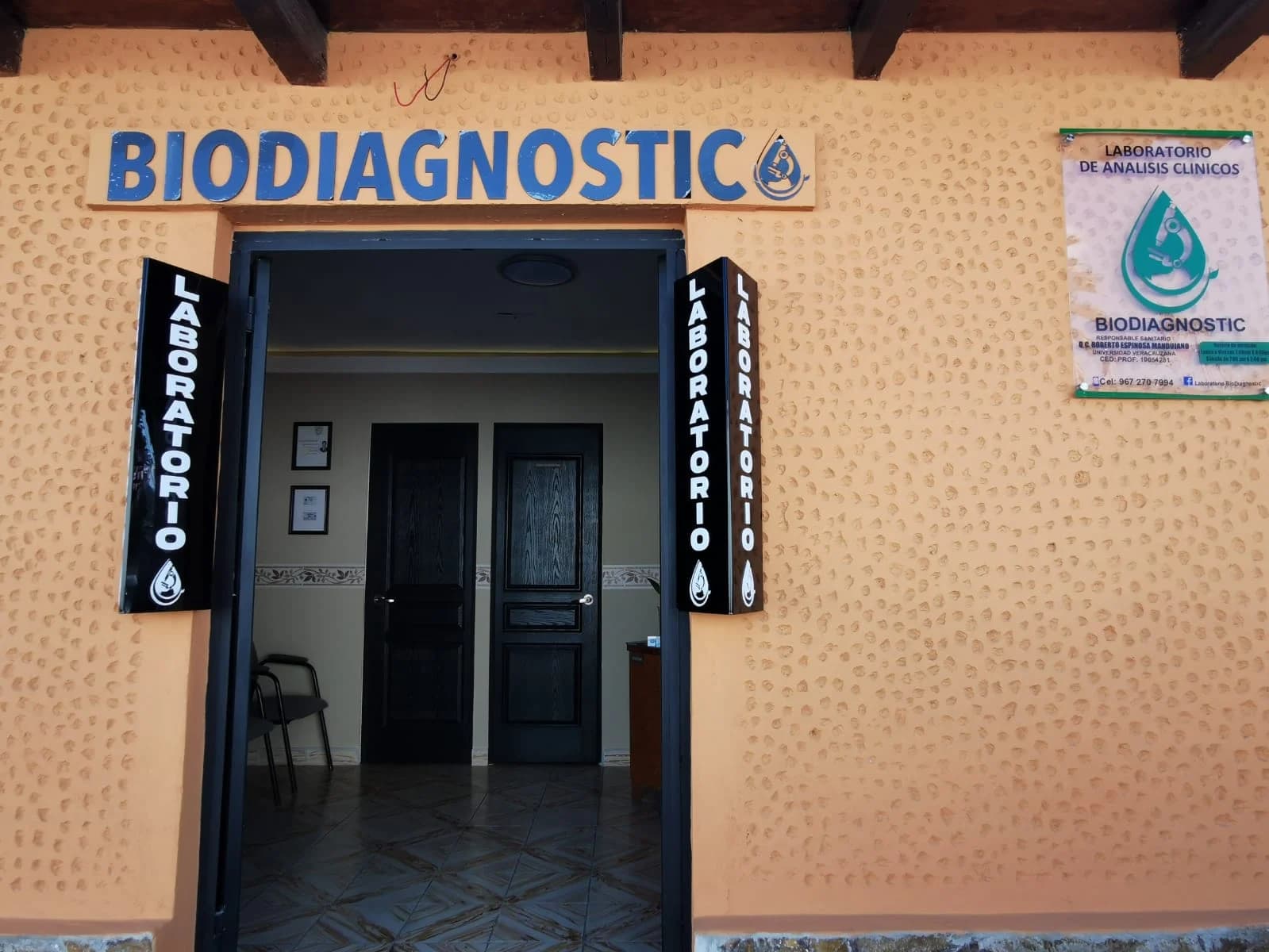

“We look forward to seeing you.”
Get your Urine Analysis in San Cristóbal de Las Casas
Find us at Doctor Ramón Corona 3, Santa Lucia, 29250 San Cristóbal de las Casas, Chiapas, México. Check our location and hours on the map to submit your urine specimen.
Opening hours
Open, with regular business hours
- Monday
- 7:00 a.m.–4:00 p.m.
- Tuesday
- 7:00 a.m.–4:00 p.m.
- Wednesday
- 7:00 a.m.–4:00 p.m.
- Thursday
- 7:00 a.m.–4:00 p.m.
- Friday
- 7:00 a.m.–4:00 p.m.
- Saturday
- 7:00 a.m.–3:00 p.m.
- Sunday
- Closed

Need to schedule sample pickup or home collection?
If you need a urine analysis—alone or paired with blood tests—and prefer not to travel, inquire about our [home sample collection service](/en/home-blood-sample-collection) in San Cristóbal de Las Casas. Our team will explain how to prepare and store the specimen in a sterile container for the visit.
Related urinary, microbiological, and renal tests
When evaluating the urinary tract and kidney function, urine analysis is closely related to a routine urinalysis, bacteriology studies such as a urine culture, a blood chemistry test, or toxicology tests. Explore our full catalog of services.
Urinalysis
Physical, chemical, and microscopic analysis to evaluate kidney and urinary tract function.
Bacteriology
Microbial cultures from clinical specimens with antibiotic sensitivity testing.
Blood chemistry
Measurement of essential metabolic parameters including glucose, urea, creatinine, and lipids.
Infectious disease tests
Serological detection of antibodies and antigens for infectious disease diagnosis.
Toxicology tests
Screening and confirmation of substances and metabolites in biological samples.
Complete blood count
Comprehensive evaluation of red cells, white cells, and platelets to detect anemia or infections.
What is a urinalysis?
It is a clinical laboratory test that analyzes a urine sample through physical, chemical, and microscopic evaluations to provide information on urinary tract health and metabolic function.
What can a urinalysis detect?
It provides information about various urine characteristics and helps identify findings that may warrant further medical evaluation, without constituting a standalone diagnosis.
Do I need to fast for a urinalysis?
Not necessarily. Fasting requirements depend on the specific test and whether concurrent blood or clinical analyses are performed. We recommend confirming preparation guidelines in advance.
What type of sample do I need?
A urine sample is required. Specific collection instructions and the exact sample timing may vary depending on the study requested by your physician.
Can I use any container?
You should use the designated sterile container provided or specified by the laboratory. Household containers are not recommended as they can contaminate the sample.
How should I collect the sample?
Follow the instructions provided by the laboratory for sample collection, avoiding specimen contamination and without touching the interior of the container or lid.
Can I take the test if I am taking medications?
Inform laboratory staff or your doctor about any medications you are taking, as some substances can influence specific parameters. Do not discontinue any treatment on your own.
When will I receive my results?
Turnaround time depends on the specific test requested and analytical processing. Contact Laboratorio BioDiagnostic to confirm estimated delivery times.
Can I deliver the sample after collecting it at home?
This depends on study guidelines and laboratory delivery policies. Please follow the specific instructions provided by our staff.
Do urinalysis results diagnose a disease?
Not necessarily on their own. Results should be interpreted by a healthcare professional alongside symptoms, medical history, and other diagnostic studies when appropriate.

We are here to help you.
Contact us to learn about your test instructions and resolve your questions prior to visiting.